Termite Treatment vs Termite Prevention
By Universal Pest Control ·
When you spot mud tubes along a wall or hollow-sounding wood in a door frame, you are looking at an active termite problem that needs treatment. When you are building a new home or have no signs of termites but want to keep it that way, you are thinking about termite prevention. The two are often confused, but they serve completely different purposes.
Treatment means dealing with termites that are already feeding on your property. Prevention means making the conditions around your building less inviting to termites and setting up early-warning systems. Both have their place, and in many Malaysian homes, a combination of the two is what ultimately protects the structure over the long term.
What Does Termite Treatment Involve?
Termite treatment is a reactive measure. It begins after an inspection confirms that live termites are present and actively feeding. The goal is to eliminate the colony that is causing the damage, not just to kill the few termites you can see on the surface.
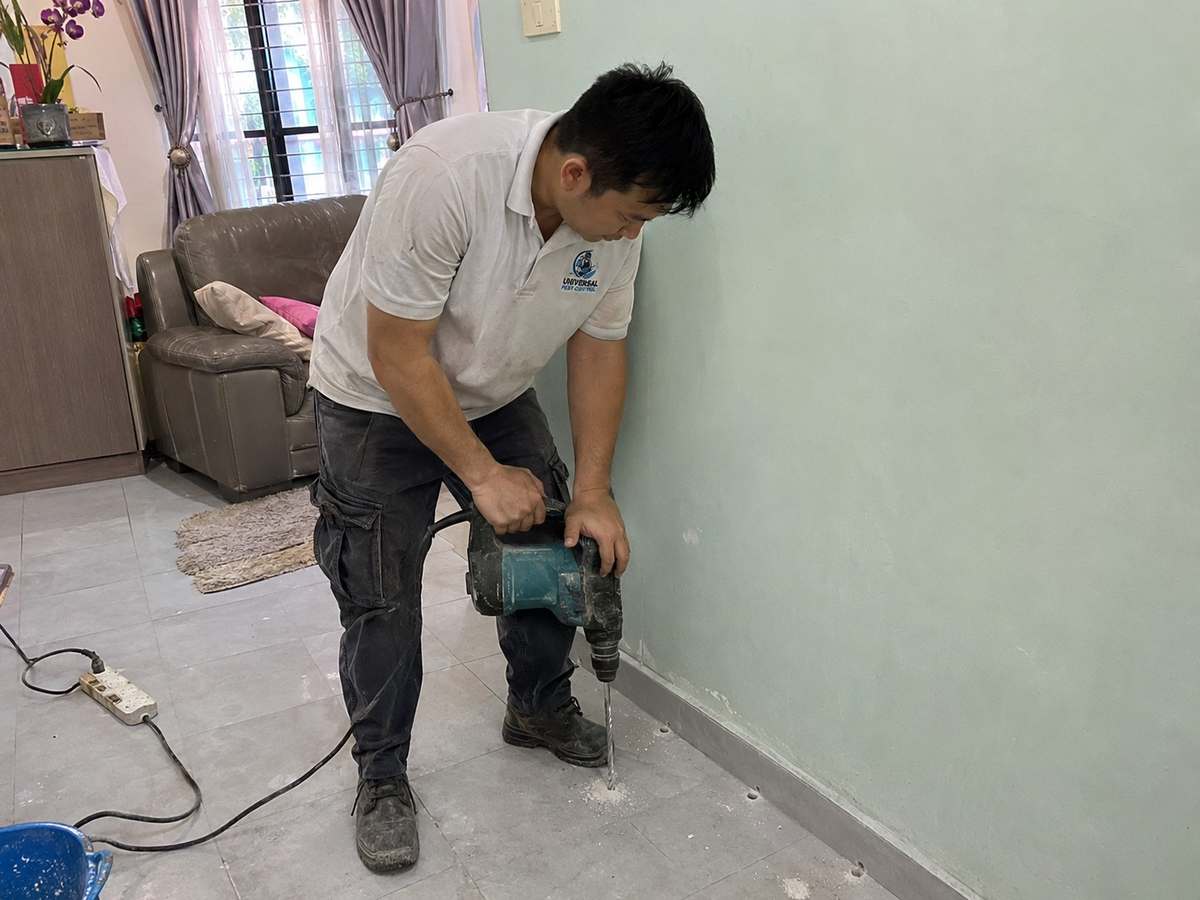
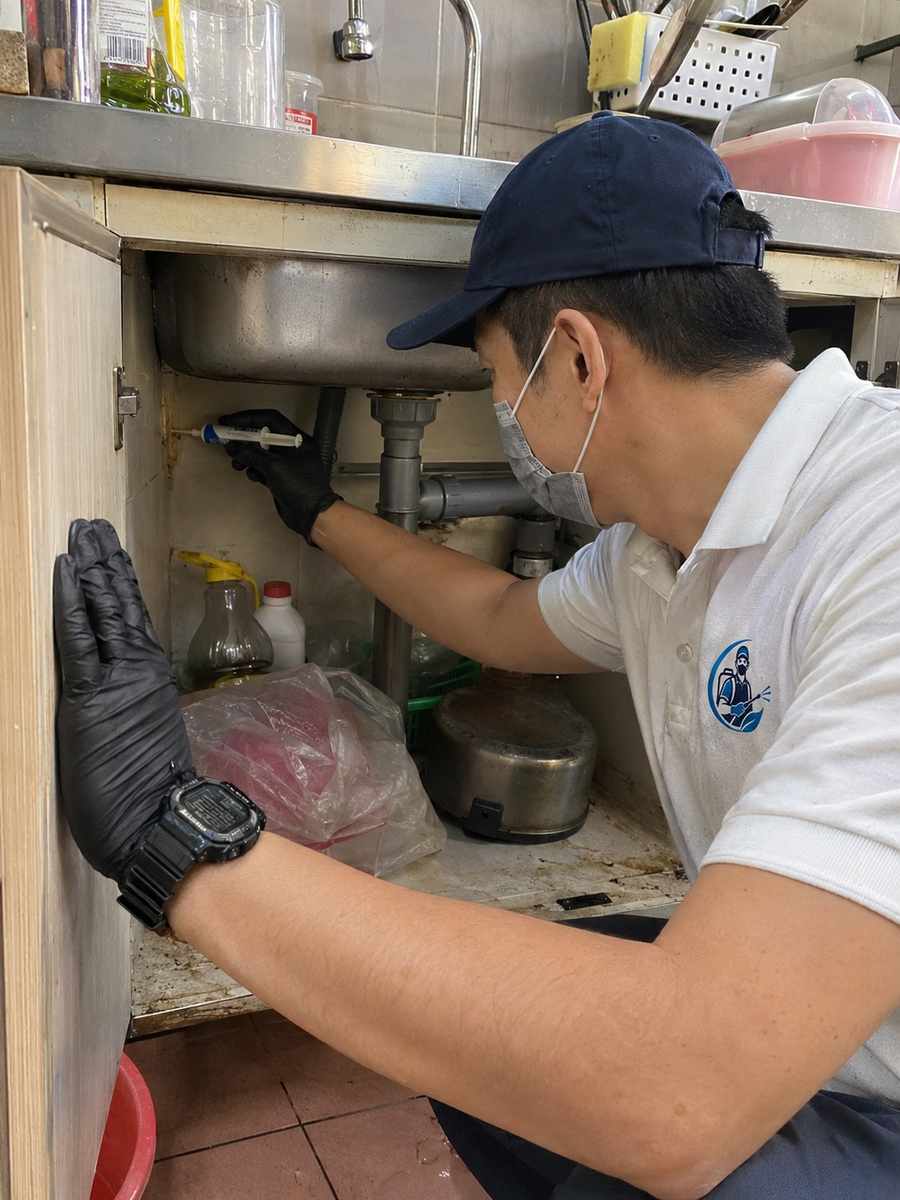
Depending on what the inspection finds, options may include placing termite bait stations in the soil around the building or directly in the path of active termite tunnels. Bait works by allowing foraging termites to carry a slow-acting active ingredient back to the nest, gradually reducing the colony over time. Another possible approach is creating a treated zone in the soil that termites cannot cross, which isolates the building from the colony in the ground. The method chosen depends on the species, the extent of the activity and the construction type of the property.
How Does Termite Prevention Work?
Prevention is about reducing risk before any termite activity begins. For a new build, this can start at the construction stage. A continuous soil barrier can be put in place under the slab and around footings before the concrete is poured. This creates a zone that subterranean termites cannot pass through undetected, protecting the structure from day one.
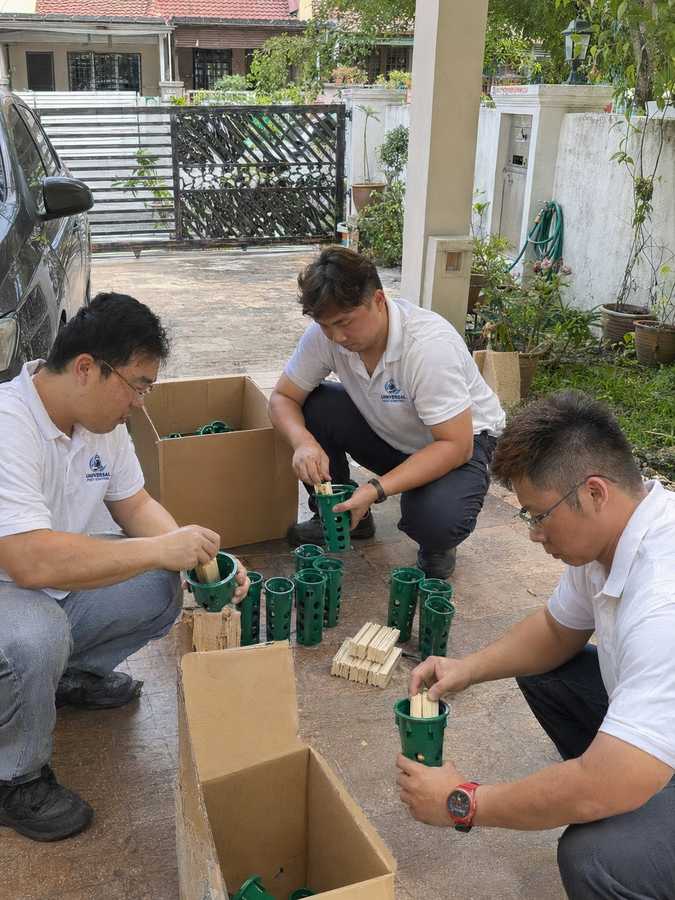
For existing homes that have no current infestation, prevention focuses on monitoring and environmental management. Above-ground and in-ground monitoring stations can be installed around the perimeter. These stations contain timber or cellulose material that termites find attractive. They are checked on a regular schedule, and if termites are found feeding inside, the monitoring station is replaced with a bait station to deal with the colony before it reaches the house. Alongside monitoring, simple steps like fixing plumbing leaks, improving subfloor ventilation and keeping timber off the ground all help reduce the conditions that termites need to thrive.
- Installing in-ground monitoring stations around the property perimeter.
- Creating a treated soil zone during the construction phase of a new building.
- Reducing moisture around foundations by repairing leaks and improving drainage.
- Eliminating direct wood-to-soil contact, such as timber formwork or stored firewood.
- Scheduling regular inspections to catch early signs before damage spreads.
When Do You Need Termite Treatment Instead of Prevention?
You need treatment when there is clear evidence of an active infestation. Signs may include pencil-thin mud tubes running up foundation walls or across beams, damaged wood that sounds hollow when tapped, piles of discarded wings near windows after a swarm, or small holes in timber with fine, sand-like droppings below. These signs can point to a colony that is already well established and feeding somewhere in the structure.
In this situation, prevention measures alone will not solve the problem. A monitoring station installed next to a house with an active wall infestation will not stop the termites already inside. The active colony needs to be located and dealt with first. Once the infestation has been eliminated, ongoing monitoring can then be put in place to guard against future attacks.
Why Existing Homes Benefit from Termite Monitoring
Subterranean termites can travel tens of metres from their nest in search of food. A house that has been termite-free for twenty years can become infested within a single wet season if a colony expands into the area. By the time you see a mud tube or a blister in the paint, the termites have often been feeding inside the wall for weeks or months.
Monitoring stations placed around an existing home act as an early-warning system. Because the stations are checked regularly, they can detect foraging termites in the yard before they reach the building. This gives you the chance to intercept the colony while the damage is still contained to a bait station, not to your kitchen cabinets or roof trusses. For terrace houses, condominiums, and landed properties across Malaysia, where high humidity and warm temperatures support year-round termite activity, this kind of proactive approach can make a significant difference.
Can Termite Treatment and Prevention Work Together?
They often do. A property that has undergone treatment for an active infestation is not automatically immune to future attacks. Once the original colony has been eliminated, the building remains a food source for any new colony that finds it. Putting a monitoring and prevention programme in place after treatment is a practical way to protect the work that has already been done.
For commercial properties such as shophouses, food courts and warehouses, this combined approach is particularly relevant. A treated infestation in a storeroom does not prevent termites from entering through a different entry point six months later. Ongoing monitoring around the perimeter, combined with regular inspections of vulnerable areas like wet kitchens and ceiling spaces, helps catch new activity before it escalates into another full-blown infestation.
What Factors Affect Termite Treatment and Prevention Costs?
The quotation for termite treatment depends on the extent of the infestation, the type of termite involved, the size of the building and how difficult it is to access the affected areas. A small, localised infestation in a single door frame is a different scope of work from a colony that has spread through the roof structure of a double-storey terrace house.
For prevention, the cost depends on the size of the property, whether it is a new build or an existing structure, the number of monitoring stations needed and the frequency of checks. A larger landed property with extensive garden areas will typically require more stations than a compact condominium unit. The quotation is always based on what is found during an inspection, so the numbers reflect the actual conditions on site rather than a one-size-fits-all estimate.
Not sure what you are looking at? Try our pest identification tool or browse the pest control FAQ.
If you are unsure whether you are dealing with an active infestation or want to set up protection for a new property, our termite inspection and monitoring options can help clarify the next step.