
Flea & Tick Control Malaysia - Flea Treatment for Homes & Pets
Fleas and ticks can spread through a property faster than many people expect, especially when pets move between indoor and outdoor spaces. Our team looks at the whole environment to find where these pests are hiding and works out a practical treatment plan.
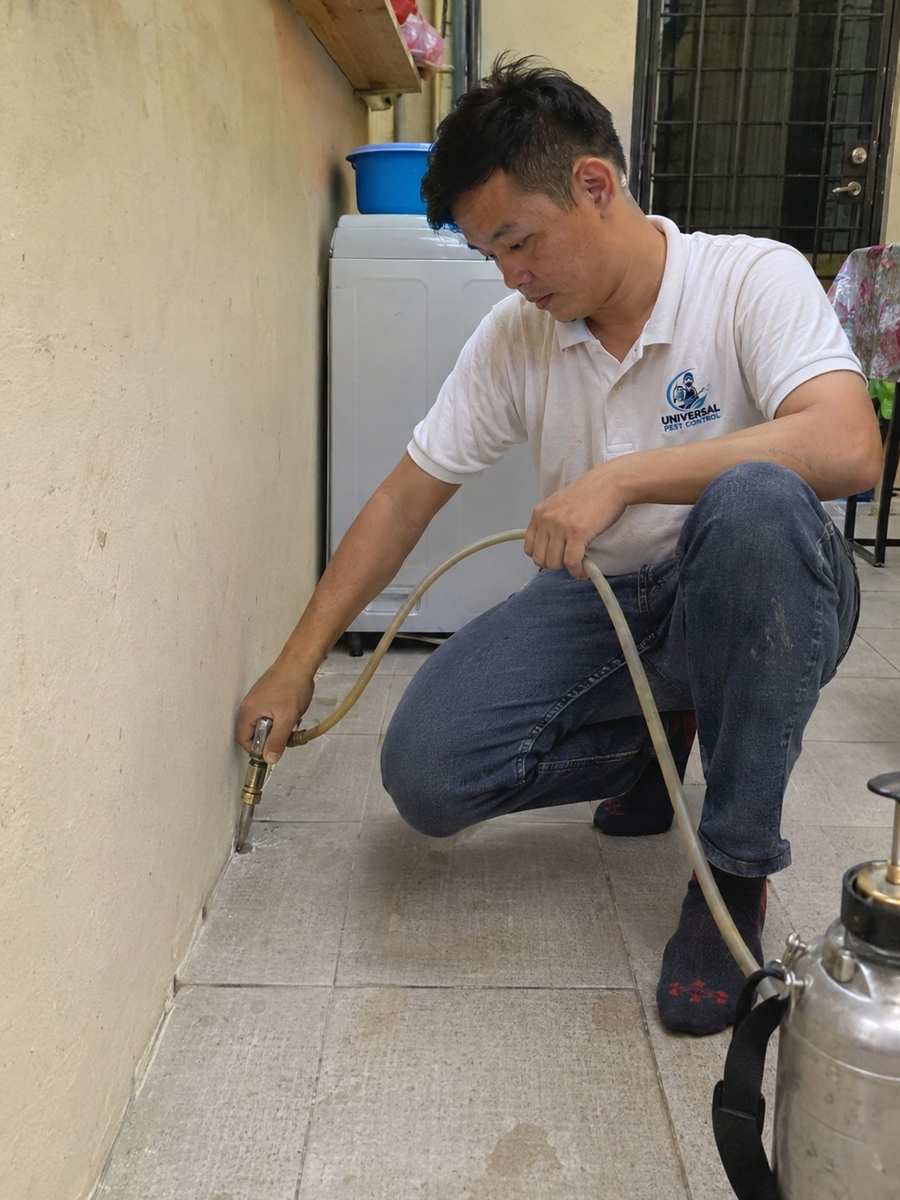
Why Flea Infestations Take Hold in Malaysian Homes
Fleas are tiny, wingless insects that feed on blood. They move quickly through fur, carpets and upholstery, and a few fleas brought in by a cat or dog can turn into a widespread infestation inside a home within weeks. Ticks are arachnids that wait on vegetation and latch onto a passing host. Both pests can survive in Malaysia’s warm, humid conditions all year round.
In homes with pets, fleas often settle into pet bedding, sofas, rugs and the gaps between floorboards. Even after a pet has been treated, flea eggs and larvae can remain dormant in these spots and hatch later. Rental units can carry a hidden problem when previous tenants kept animals indoors. Ticks are more common in properties with overgrown gardens, tall grass along fence lines, or patches of dense shrubs where wild animals or stray cats may pass through.
Businesses that allow pets on the premises, such as pet cafés, grooming salons and some offices, can face complaints from customers and staff who notice bites or see fleas jumping on light-coloured surfaces. Food handling areas add another layer of concern because nobody wants pests near food. Most people contact us when they have already tried washing bedding and vacuuming but still find new bites or see tiny dark specks on their floors and furniture.
Signs of a Flea Infestation or Tick Problem
A few clues around the property often suggest flea or tick activity, though a proper inspection is needed to confirm what is going on.
Pets scratching more than usual
Excessive scratching, licking or nibbling at fur can indicate fleas. You may notice small dark grains on the pet’s skin or bedding that look like ground pepper.
Bites on ankles and lower legs
People in the household may wake up with small, itchy red bumps clustered around the ankles or shins. Flea bites often appear in groups of two or three.
Dark specks on light surfaces
Flea dirt can show up as tiny black dots on sofas, bedsheets, carpets or floor tiles. When wiped with a damp tissue, the specks may leave a reddish smear.
Fleas spotted jumping
Adult fleas are small and dark brown. They can be seen springing across light-coloured flooring, curtains or pet bedding, especially after a room has been empty for a while.
Ticks found on pets or near garden edges
Ticks may be felt as small bumps under a pet’s coat, often around the ears, neck or between toes. In the garden, ticks tend to wait on long grass blades and low shrubs.
- These signs can suggest fleas or ticks, but other pests or skin conditions can cause similar symptoms. An assessment helps us identify the exact pest and where it is concentrated before any treatment is planned.
What Our Flea Treatment for Homes Covers
Every job starts with a walk-through to understand the scale of the problem. Depending on what the inspection finds, the work may cover several areas.
- 1
Indoor inspection
We check spots where fleas are likely to breed, such as pet resting areas, carpets, rugs, skirting boards, upholstered furniture and gaps in timber flooring. The findings guide which rooms need attention.
- 2
Outdoor and garden assessment
Our team looks at garden edges, shaded patches, leaf litter, long grass and areas where pets or stray animals rest. Ticks often cluster in these zones, and the assessment helps us decide whether outdoor measures are needed.
- 3
Environmental treatment planning
Based on what we find, we suggest a plan that targets the areas where fleas and ticks are most active. The approach may combine different methods, and we explain what each step aims to do before we begin.
- 4
Pre-treatment preparation guidance
We let you know what to do before we arrive, such as vacuuming thoroughly, washing pet bedding on a hot cycle, clearing floor clutter and mowing overgrown grass. Good preparation helps the treatment work more effectively.
- 5
Follow-up visit
A single visit may not address the full flea life cycle, especially when eggs and pupae are present. We usually recommend a follow-up visit to check progress and treat any newly hatched fleas before they can lay more eggs.
Preventing Fleas and Ticks from Returning
After treatment, a few habits can make a big difference in keeping flea and tick numbers low. Vacuum carpets, rugs and sofa crevices regularly, and dispose of the vacuum bag or empty the canister into a sealed bin outside. Wash pet bedding, blankets and removable cushion covers on a hot cycle every week or two during humid months.
In the garden, keep grass short and trim back shrubs along fences and walls. Clear away leaf litter and stacked wood where ticks and flea larvae can survive. If stray cats or wild animals pass through your garden, consider blocking access points under gates and gaps in fencing.
For businesses, a routine check of pet areas, waiting zones and outdoor runs helps catch early signs before customers notice. If you run a pet-friendly space, we can advise on a schedule of follow-up visits that suits your foot traffic and the number of animals that pass through each week.
Remember that the pet itself is the other half of the equation. Speak with your veterinarian about a year-round flea and tick prevention plan that suits your animal’s age, weight and lifestyle. When the pet and the property are both managed, the chance of a serious reinfestation drops significantly.
Properties We Help With Flea and Tick Control
Landed homes with pets
Terrace houses, semi-detached homes and bungalows with indoor-outdoor pets often see fleas moving between air-conditioned rooms and grassy gardens. We check both zones to break the cycle.
Condominiums and apartments
Even high-rise units can get fleas from a neighbour’s pet, a visiting animal or a previous tenant. We focus on soft furnishings, floor gaps and shared corridors where fleas may travel.
Rental and serviced units
Short-term rentals and long-stay apartments can harbour flea eggs left by earlier occupants with pets. An assessment before new tenants move in helps avoid complaints and bad reviews.
Pet-friendly businesses
Pet cafés, grooming salons, veterinary waiting areas and pet shops benefit from regular checks. We look at waiting zones, washing stations and outdoor runs where fleas and ticks can build up over time.
Our Flea and Tick Control Process
- 1
Enquiry
You send us a WhatsApp message describing what you have noticed, along with photos if you have them. We ask a few questions about your property, pets and how long the issue has been going on.
- 2
Assessment
Our team visits the property to inspect indoor and outdoor areas. We look for live pests, eggs, larvae and conditions that support the infestation, then confirm what we are dealing with.
- 3
Quotation
We explain what the assessment found and suggest a treatment plan. The quotation depends on the size of the affected area, the severity and the number of visits likely needed.
- 4
Treatment
We carry out the agreed work, focusing on the surfaces and spaces where fleas and ticks hide. Before we start, we run through any preparation steps you need to complete so the treatment can work as intended.
- 5
Follow-up
We return at an interval that suits the flea life cycle to check progress. If any areas still show activity, we address them before the population can rebound.
The steps depend on the pest and the property. More on our process
What Affects a Flea Control Quotation
Every property is different, so the quotation is worked out after we have seen the site. The main factors that shape the price include:
- Size of the indoor area that needs attention
- Number of rooms with confirmed flea or tick activity
- Outdoor areas included, such as gardens, patios or kennels
- Severity of the infestation and how long it has been present
- Number of follow-up visits likely needed to break the life cycle
- Access conditions and amount of preparation work required beforehand
- Type of property, such as a single-storey home, multi-level terrace or commercial unit
- Presence of heavy furnishings, stored items or cluttered spaces that need clearing
Keeping People and Pets Safe During Flea Treatment
We take care to work around your household or business routine. Before the treatment day, we provide clear instructions on what needs to happen. This usually includes keeping pets and people out of the areas being treated for a period we specify, and covering or removing food, bowls, pet toys and children’s items. The exact steps depend on the treatment plan we agree on after the assessment.
For homes with pets, we strongly recommend that the animal is seen by a veterinarian before our visit. Fleas and ticks live on the pet as well as in the environment, so treating the building without addressing the animal can lead to reinfestation. A vet can advise on suitable pet treatments and timing, which helps our environmental work last longer.
Our team walks you through the preparation list when we confirm the appointment. If anything is unclear, you can ask us questions on WhatsApp before the day. We want the treatment to be effective while minimising disruption to your home or business.
Flea Control and Tick Control FAQs
Do I need to treat my pet before you come?
Why might a follow-up visit be needed?
Can fleas live in a home without pets?
What should I do to prepare before the treatment?
Do you treat outdoor areas for ticks?
How do I know if the problem is fleas and not something else?
Flea & Tick Control Area Coverage
Kuala Lumpur
Related Pest Control Services
Get a Flea Control Quote on WhatsApp
WhatsApp us to get a free quote. Tell us what you have noticed and where your property is.