
Cockroach Control Malaysia - Inspection, Gel Baiting & Treatment
Cockroaches are persistent pests that breed quickly in warm, humid conditions. We help homes and businesses reduce activity through careful inspection and targeted treatment.
Why Cockroach Infestations Return in Malaysia
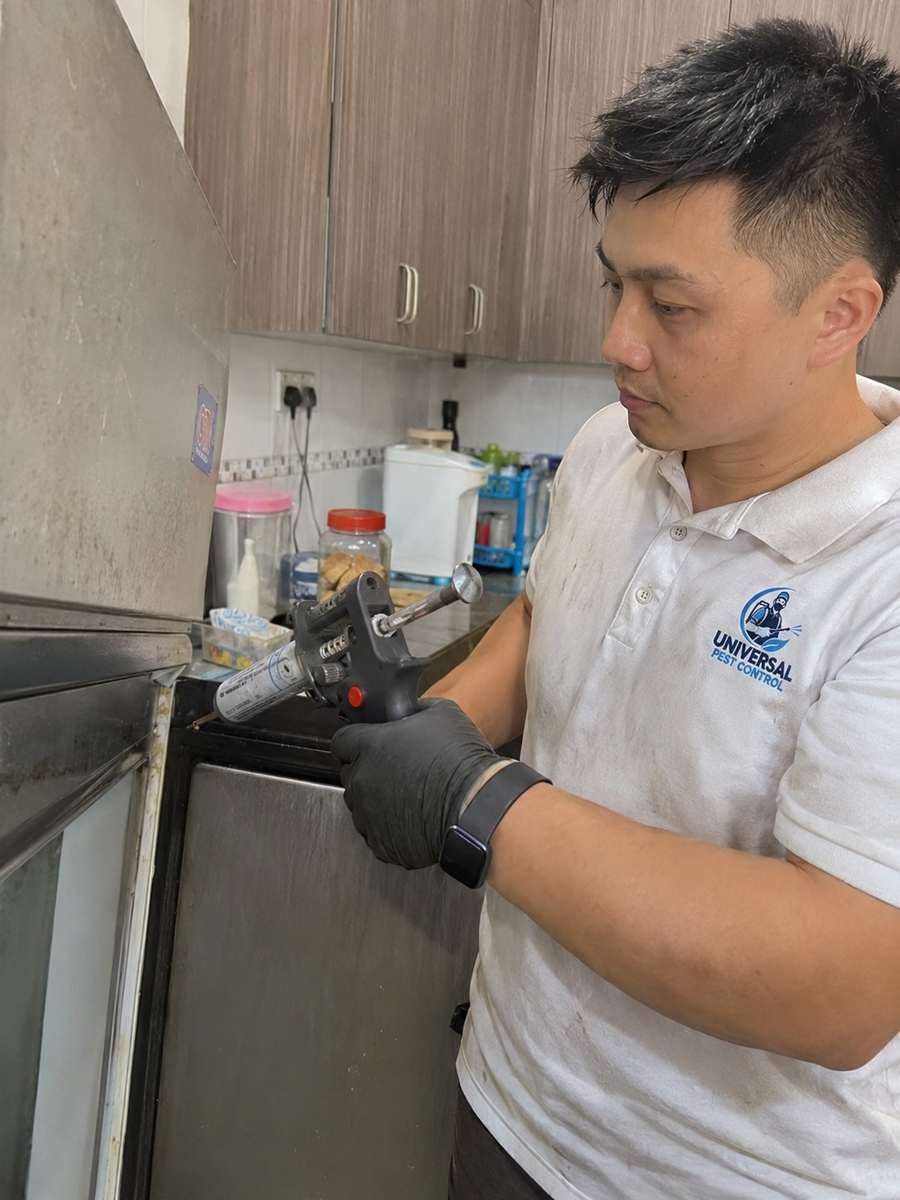
Cockroaches thrive in Malaysia's heat and humidity. They need food, water and shelter to survive, and our kitchens and bathrooms often provide all three. Even clean properties can have cockroach activity because the pests can enter through drains, gaps around pipes or deliveries of dry goods.
In homes, cockroaches usually concentrate around the kitchen and bathroom. They hide in cabinet hinges, under sinks, behind refrigerators, inside microwave vents and around dish racks. In commercial kitchens, the problem scales up quickly. Grease traps, food preparation counters, storage racks and waste bins all become potential harbourage areas when cleaning routines miss the hidden corners.
Most people ask for help when they see cockroaches during the day, which often means the population has grown large enough to push some individuals out of their hiding spots. Others notice egg cases, droppings or a lingering oily smell that does not go away with regular cleaning.
Signs of a Kitchen Cockroach Infestation
These signs can point to a cockroach issue, but a proper inspection is needed to confirm the species and the scale of the problem.
Live cockroaches during the day
Cockroaches are mostly nocturnal. Seeing them in daylight, especially in the kitchen, can suggest a well-established population nearby.
Droppings that look like ground pepper
Small, dark, pepper-like specks in drawers, on countertops or inside cabinet corners. The amount and location help us gauge how long the infestation has been active.
Brown egg cases (oothecae)
Small, purse-shaped capsules left in sheltered spots, often behind appliances or inside cabinet cracks. Finding these means breeding is happening on site.
Smear marks along walls and skirting
Dark, irregular marks on surfaces where cockroaches travel regularly, especially along kitchen walls, door frames and near floor traps.
A persistent musty or oily smell
A strong, greasy odour that lingers in a room even after cleaning can come from cockroach secretions and droppings accumulating in hidden spaces.
- A few droppings or a single cockroach does not always mean a large infestation, but it is worth investigating. We can assess the property to understand what the signs actually indicate.
What Our Cockroach Treatment Involves
Every job starts with an inspection. What follows depends on the property, the species and where the activity is concentrated.
- 1
A thorough property assessment
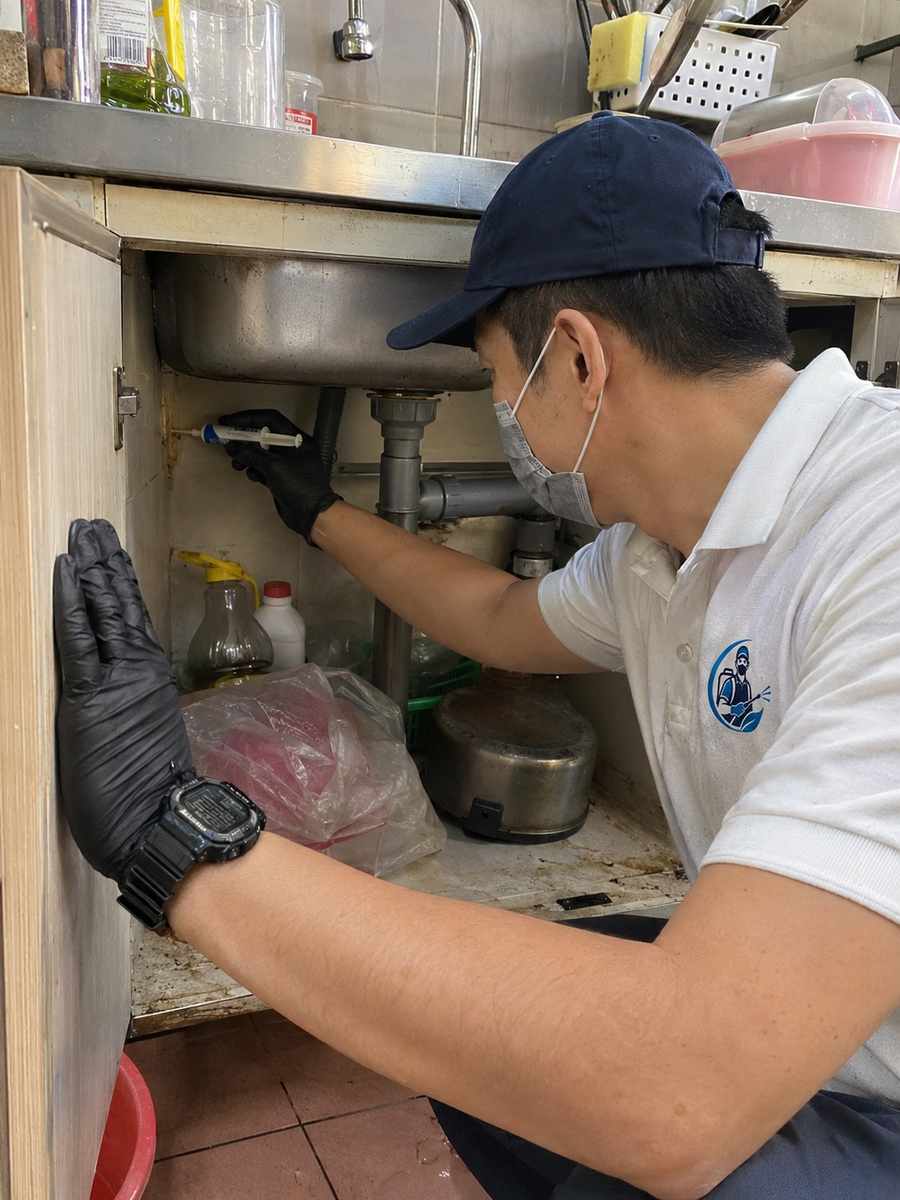
We check the usual hiding spots: cabinet hinges, appliance motors, false ceilings, drains, floor traps and cracks in walls or tiles. The goal is to map where cockroaches are feeding, breeding and sheltering.
- 2
Treatment planning by species
Small indoor species, such as the German cockroach, tend to cluster around kitchen appliances and cabinets. Larger drain-dwelling species, such as the American cockroach, often move up through floor traps and bathroom drains. The treatment approach is planned around these behaviours.
- 3
Gel baits and targeted application
Depending on what the inspection finds, options may include gel baits applied to cracks and hinges where cockroaches travel, or targeted treatments to specific harbourage areas. The method is chosen to suit the site conditions.
- 4
Drain and void work
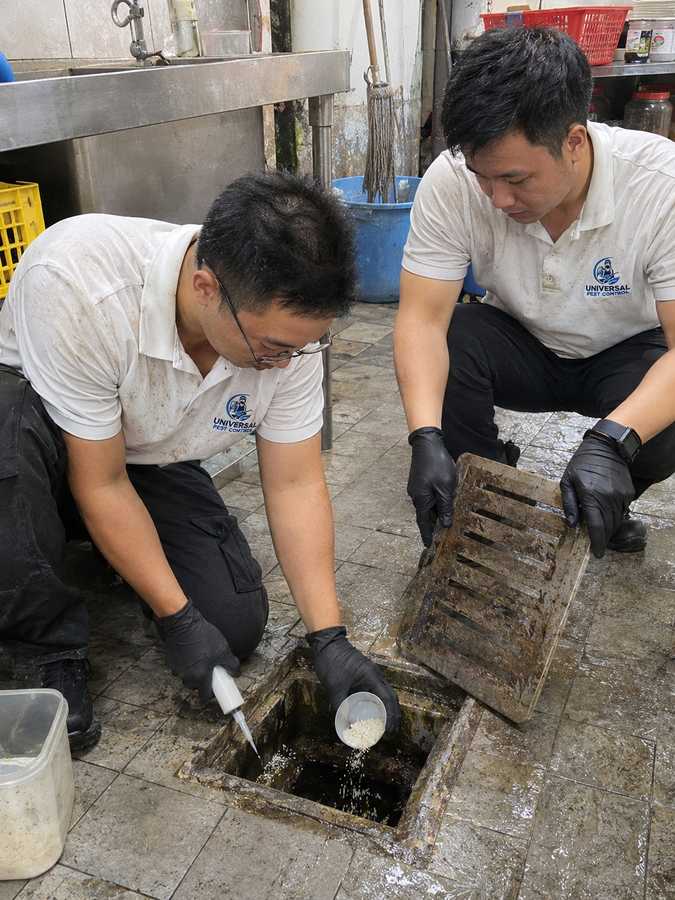
Where cockroaches are entering through drains or false ceilings, we may suggest treatment inside these voids. This can interrupt the route cockroaches use to move between breeding sites and food sources.
German vs American Cockroach: Why Species Matters
In Malaysian homes and businesses, two species account for most cockroach problems. The German cockroach is small, light brown and fast-moving. It lives almost entirely indoors, breeding inside kitchen cabinets, behind refrigerators, inside microwave casings and in the warm motors of appliances. Because it stays close to food and water, treatment focuses on these tight harbourage spots.
The American cockroach is much larger, reddish-brown and often found near drains, floor traps and bin chutes. It can fly short distances and frequently enters ground-floor properties from the drainage system. Treatment for this species often includes drain work and sealing entry points, because the source is usually outside the kitchen itself.
Knowing which species is present changes the whole treatment plan. That is why we inspect carefully before recommending any work. Sometimes both species are active in the same property, and the approach needs to address both indoor breeding sites and drain entry routes.
Sanitation and Access for Cockroach Control
Cockroach control works best when the property is prepared properly. Before our team arrives, we recommend clearing floor areas around kitchen cabinets, moving appliances slightly away from walls if possible, and removing clutter from under sinks. This gives us access to the spots where cockroaches hide.
Good sanitation helps slow down reinfestation. Wiping down counters and stovetops each night, sealing dry food in airtight containers, fixing dripping taps and clearing grease buildup from range hoods all reduce the food and water cockroaches rely on. In commercial kitchens, closing rubbish bins tightly and cleaning floor drains daily makes a noticeable difference.
We also look for structural gaps during the assessment. Cracks in tiles, gaps around pipe penetrations and unsealed edges on false ceilings can all be entry points or hiding spots. Sealing these after treatment can help keep cockroach numbers down between visits.
Cockroach Control for Homes and Businesses
Landed homes and terrace houses
Kitchens and wet kitchens are the main risk zones, especially where food waste bins sit near floor traps. We also check bathrooms connected to the same drainage line, as cockroaches can travel between floors through pipe chases.
Condominiums and apartments
Cockroaches can move between units through shared services risers and rubbish chutes. We look at entry points around plumbing penetrations and recommend ways to reduce the chance of reinfestation from neighbouring units.
Commercial kitchens and food courts
High-volume food preparation creates constant food and moisture sources. We focus on equipment legs, grease traps, storage shelving and behind fixed cabinetry where daily cleaning often does not reach.
Warehouses and shophouses
Incoming stock and packaging can carry cockroach egg cases. We check storage areas, loading bays and staff pantries, then plan treatments that work around stored goods and operational hours.
Our Cockroach Control Process
- 1
Enquiry
You send us a WhatsApp message describing the cockroach activity you are seeing and the type of property. Photos of droppings or live cockroaches help us understand the situation before we visit.
- 2
Assessment
We visit the property to inspect kitchens, bathrooms, drains and other potential harbourage areas. This gives us a clear picture of the species involved and the extent of the activity.
- 3
Quotation
Based on the assessment, we provide a quotation. The cost depends on the size of the property, the number of affected areas and the type of treatment work needed.
- 4
Treatment
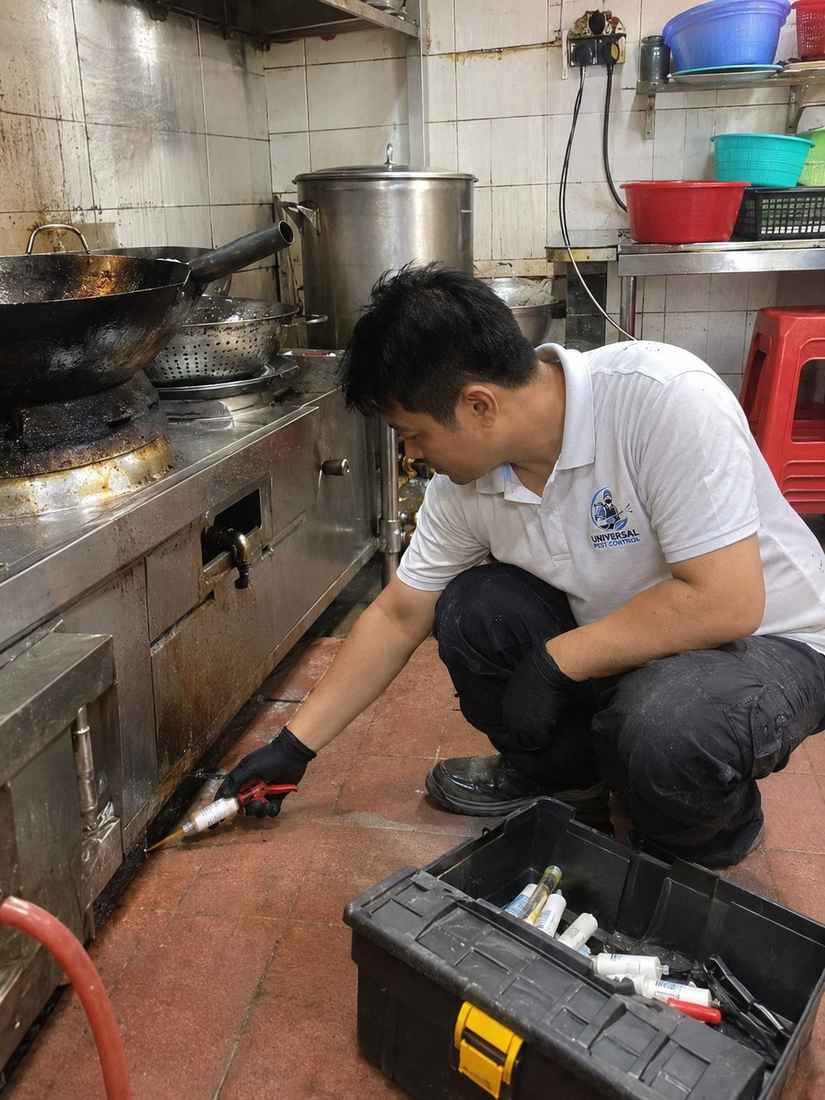
We carry out the planned treatment, which may include gel baits, targeted application to harbourage spots and drain work. We focus on the areas where cockroaches feed, breed and travel.
- 5
Follow-up
We return to check how the cockroach population has responded. Follow-up visits let us retreat persistent spots and adjust the approach if cockroaches are still appearing.
The steps depend on the pest and the property. More on our process
What Affects Your Cockroach Control Quotation
Every property is different. We work out a quotation after the assessment so it reflects the actual situation on site.
- Size of the property and number of rooms affected
- Type of cockroach species present
- Number of harbourage areas identified during the assessment
- Whether drain or false ceiling treatment is needed
- Whether the property is a home or a commercial kitchen
- Access requirements and site conditions
- Number of follow-up visits recommended
Safety During and After Cockroach Treatment
Before we start any treatment work, we will explain what we plan to do and what preparation is needed. For kitchens, this usually means clearing countertops, covering open food and putting away utensils and dishware. In commercial kitchens, we coordinate with the team on site to schedule the work around food preparation hours.
We ask that occupants, children and pets stay away from the areas being treated until the application is dry and the space has been aired. The specific instructions depend on the treatment method used, and we will give clear guidance on the day. No one should touch treated surfaces or baits after application.
We take care to keep treatment materials away from food contact surfaces, cooking equipment and dining areas. Our team will point out any spots that need extra attention before we begin, such as fish tanks, pet feeding stations or open food storage. If you have any particular concerns, let us know during the assessment so we can plan around them.
Cockroach Control FAQs
Further reading
By industry
Why do I still see cockroaches after cleaning thoroughly?
How many visits does cockroach control usually take?
Can cockroaches come back after treatment?
Do I need to empty my kitchen cabinets before treatment?
Is cockroach treatment safe for homes with children and pets?
What should I do if I see cockroaches between scheduled visits?
Cockroach Control Area Coverage
Kuala Lumpur
Related Pest Control Services
Get a Cockroach Control Quote on WhatsApp
WhatsApp us to get a free quote. We will review the details and advise on the next step for cockroach treatment.