
Restaurant Pest Control Malaysia - Kitchen & F&B Pest Management
Running a food business means pests are a daily operational risk, not just a one-off nuisance. We work with restaurants, cafes and food courts to keep kitchens, dining areas and back-of-house spaces pest-free enough to pass hygiene checks and stay open.
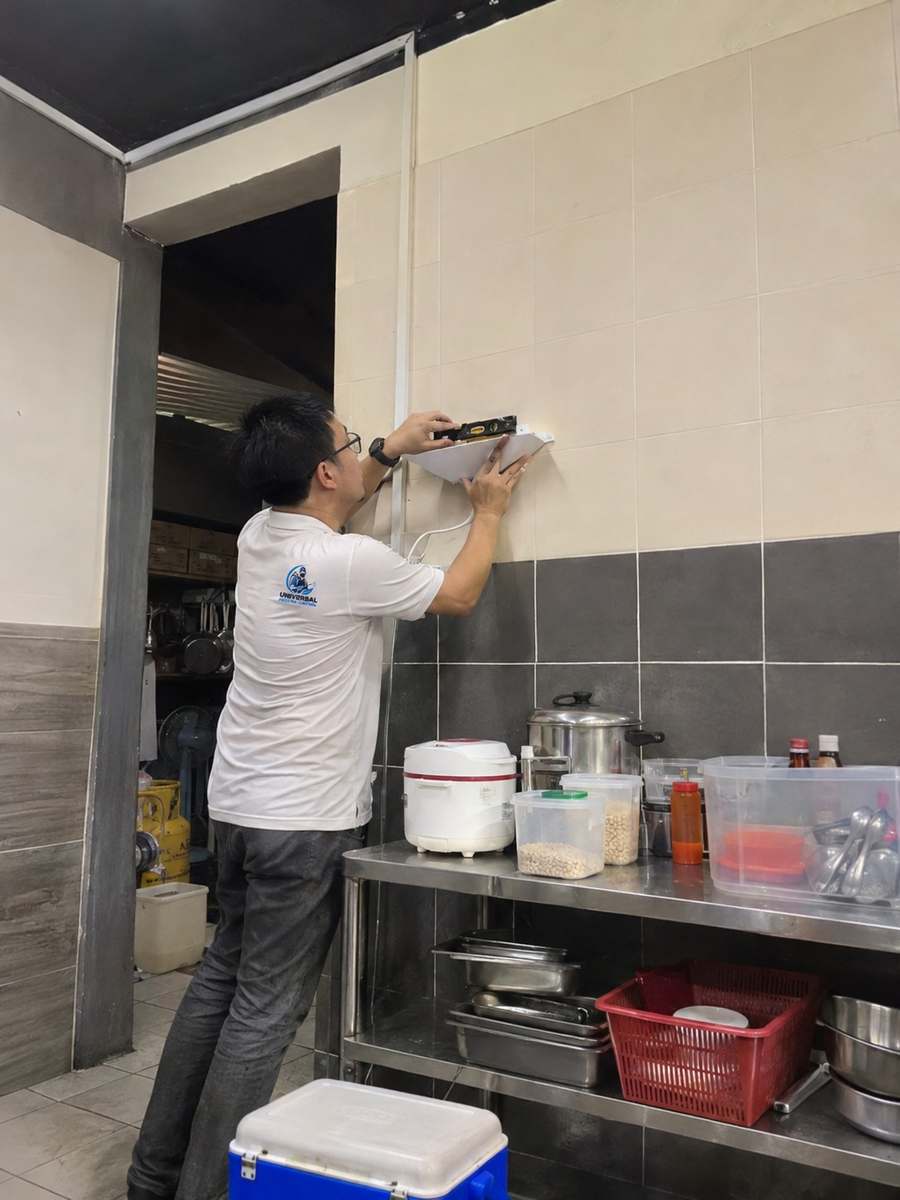
Why Restaurants Need Commercial Pest Control
A commercial kitchen produces exactly what pests need every single day: heat, moisture, food debris and plenty of hiding spots. Grease traps, floor drains, wet washing areas and dry storage shelves each attract a different set of pests, and they often overlap. Cockroaches breed inside motor housings and under stainless steel counters, rats travel through false ceilings and back-lane bin areas, and flies multiply wherever organic waste sits too long.
For a restaurant owner or manager, the problem is never just one pest. A heavy fly presence near the bar can point to a blocked floor drain, while a cockroach sighting near the pass might trace back to a grease trap that has not been cleaned deeply enough. Malaysian humidity speeds up every part of the pest life cycle, so a small issue can become a closure-level risk faster than many operators expect.
Beyond the distress of a customer spotting a pest, there is the real pressure of local council hygiene inspections. Pest activity noted in an inspection report can mean demerit points, a lower hygiene grade, or a temporary closure order. Most of the restaurant managers who contact us are not dealing with a visible infestation yet. They are looking for a scheduled programme that keeps evidence of pest activity away from their daily operations and their inspection records.
Early Signs of Pest Activity in Restaurants
In a busy kitchen, pest signs are easy to miss until they become obvious. These are the signals our team looks for during an assessment.
Droppings in dry storage and false ceilings
Small dark droppings among rice sacks, flour bags or on top of wall-mounted shelving can point to rodents travelling above the kitchen. Greasy rub marks along pipe runs and gnawed packaging are often found nearby.
Grease trail smears along skirting and behind equipment
Cockroaches leave irregular dark smear marks where their bodies repeatedly press against walls, especially behind cookers, under prep counters and along electrical conduits.
Fly activity around drains and waste holding areas
A cluster of small flies hovering above a floor drain or grease trap usually means organic sludge has built up below the grate. Drain flies and phorid flies both breed in that layer and can spread into dining areas quickly.
Egg cases in corners and under shelving
Brown capsule-shaped oothecae tucked into hinges, under sink lips or behind fridge door seals are a reliable sign of a breeding cockroach population, even if live insects are rarely seen during service hours.
Scratching noises after closing
Rats and mice moving through ceiling voids or wall cavities are most active when the kitchen is quiet. Night staff or late-closing teams often report these sounds first.
Unusual odour from drains or stored goods
A stale, oily smell that lingers near a floor drain can indicate a heavy grease trap infestation. A musky scent in a dry store may be rodent urine, which becomes more noticeable in enclosed spaces.
- One or two of these signs may have a simple explanation, but when several appear together they usually indicate established pest activity. An on-site assessment is the only way to confirm which pests are present and how far they have spread.
What a Restaurant Pest Management Programme Covers
Every site is different, so we build the programme around the kitchen layout, menu type and operating hours. Depending on what the inspection finds, the work may include:
- 1
Kitchen and prep area treatment
Targeted applications in cracks, crevices, under counters and behind hot-line equipment where cockroaches hide. We focus on areas that are hard to reach during routine cleaning without disrupting your mise en place.
- 2
Drain and grease trap management
Treatment of floor drains, grease traps and scullery channels where drain flies and cockroaches breed in the organic layer that normal mopping cannot remove. This helps reduce the adult fly population emerging into the kitchen each day.
- 3
Rodent control for back lanes and bin areas
Baiting and monitoring around external waste holding areas, rear access lanes and internal ceiling voids where rats travel. We check feeding patterns and adjust placements so activity stays away from customer-facing zones.
- 4
Fly monitoring and control
Placement of monitoring devices in waste areas and near service entrances, with regular checks to track fly pressure. Where needed, treatments target breeding sites so the source is addressed, not just the adult flies visible in the dining room.
- 5
Service reports and hygiene inspection support
Written reports after each visit that document what was done, what was found and any recommendations for the kitchen team. These records are designed to be shown to health inspectors as evidence of an active pest management programme.
Working Around Your Restaurant Service Hours
A restaurant cannot shut for a full day just for pest control. We build the visit schedule around your real operating pattern. For dinner-only restaurants, we can work in the late morning or early afternoon before the kitchen team arrives for prep. For all-day cafes and kopitiams, we often come after closing or before the first order of the day. The key is agreeing on a fixed window that gives us enough time to do the job properly without rushing your staff.
During festive seasons or Ramadan, when hours change and kitchen activity runs longer, we adjust the schedule in advance. The goal is always the same: complete the treatment thoroughly while keeping disruption to service as low as possible. If an urgent issue arises between scheduled visits, you can WhatsApp us and we will advise on the next step based on what you are seeing.
Pest Records for Health Inspections in Malaysia
Local council health inspectors expect to see evidence that a food business is managing pests proactively, not just reacting when something goes wrong. A logbook with dated service reports, pest sighting records and corrective actions taken is one of the first things an inspector may ask for during a routine check.
Our service reports are written with this in mind. They record what was found, what was treated, where monitoring devices were checked and any housekeeping recommendations made to the kitchen team. Over time, these reports build a paper trail that shows a consistent, professional approach to pest management. When an inspector visits, your manager can hand over the file and answer questions with confidence.
Types of Food Premises We Service
Full-service restaurants and hotel kitchens
Large kitchens with multiple stations, extensive dry storage and high-volume grease traps need frequent, scheduled visits that work around prep and service peaks. We coordinate timing so treatment does not interrupt the lunch or dinner rush.
Cafes, bakeries and dessert bars
Flour, sugar and dairy attract a specific set of pests including stored-product insects and rodents. We pay close attention to dry ingredient storage and under-counter spaces where crumbs accumulate in tight galley-style setups.
Hawker centres, food courts and kopitiam stalls
Shared drainage, open waste handling and neighbouring stall conditions mean pest pressure can come from outside your own unit. We look at the stall perimeter, shared back-lane access and drainage connections, not just the cooking area.
Central kitchens and catering facilities
High-volume production with bulk ingredients, large walk-in chillers and overnight prep shifts creates pest risks that differ from a dine-in restaurant. Our programme accounts for 24-hour activity cycles and loading bay traffic.
Our Restaurant Pest Control Process
- 1
Enquiry and site background
You send us a WhatsApp message with details about your outlet type, the pest issues you have noticed and your operating hours. We ask a few questions to understand the kitchen setup before scheduling a visit.
- 2
On-site assessment
We walk through the kitchen, dry store, dining area, refuse holding area and back lane. The goal is to map pest activity, entry points, breeding sites and any structural or housekeeping conditions that are contributing to the problem.
- 3
Quotation and programme proposal
Based on the assessment findings, we prepare a quotation that outlines the recommended visit frequency, the scope of work and what the kitchen team needs to handle between visits. The quotation depends on the size of the site, the pests involved and the level of activity found.
- 4
Scheduled treatment visits
We arrange visits around your quietest hours, whether that is between meal services, after closing or before the morning prep shift. Each visit includes the agreed treatments, a check of monitoring points and a brief conversation with the manager on duty.
- 5
Follow-up and record keeping
After each visit we leave a service report. We also track pest activity trends across visits so we can adjust the programme if conditions change, such as during monsoon season or after a kitchen renovation.
The steps depend on the pest and the property. More on our process
Factors That Affect Your Restaurant Pest Control Quotation
Restaurant quotations vary widely because no two kitchens have the same layout, volume or pest history. These are the main factors that shape the price:
- Total floor area of the kitchen, prep zones and dry storage
- Number of floor drains, grease traps and scullery areas
- Type of cooking (wok-based, deep-fried, bakery, raw dough) and the waste it produces
- Pests present and how widely they are established
- Visit frequency needed to keep pest activity below threshold
- Access to back lanes, bin compounds and ceiling voids
- Operating hours and the time windows available for treatment
- Whether the site is a single unit or part of a shared building with neighbouring food tenants
Keeping Your Kitchen Safe During Pest Treatment
We know that a restaurant kitchen is a live production space, even when the burners are off. Before each visit we agree with the manager which areas will be treated and what preparation is needed. That typically means covering or removing open food, moving portable equipment away from walls and ensuring wet floors are dry in the zones we need to access. The exact steps depend on the treatment plan we have discussed for that visit.
Staff, customers and anyone else on the premises are never in the areas being treated while work is underway. We schedule visits during closed periods or quiet windows so there is no overlap between treatment and food handling. Any specific instructions about access restrictions are given to the manager on duty before we begin, and we confirm verbally that the kitchen team is clear on what to expect.
Our role is to reduce pest risk without introducing new operational risks. We keep treatment materials confined to the cracks, voids and surfaces specified in the job plan. We do not apply anything to food contact surfaces, prep counters or cooking equipment. After the visit, we brief the manager on when and how the treated areas can return to normal use, based on what was done that day.
Restaurant Pest Control FAQs
How often should a restaurant have pest control visits?
Can treatment be done without closing the kitchen?
Do you handle both the kitchen and the dining area?
What if we already have a cleaning contractor for the grease trap?
Will customers notice any smell or residue after treatment?
How do we prepare the kitchen before a visit?
Related Commercial Pest Control Services
Get a Restaurant Pest Control Quote on WhatsApp
WhatsApp us to get a free quote. We will put together a quotation based on what your restaurant needs.