
Retail Shop Pest Control Malaysia - Pest Management for Shops & Stores
Retail premises face steady pest pressure from deliveries, customer traffic and stored stock. We help shop owners and mall tenants keep back-of-house areas clean and customer-facing spaces discreet.
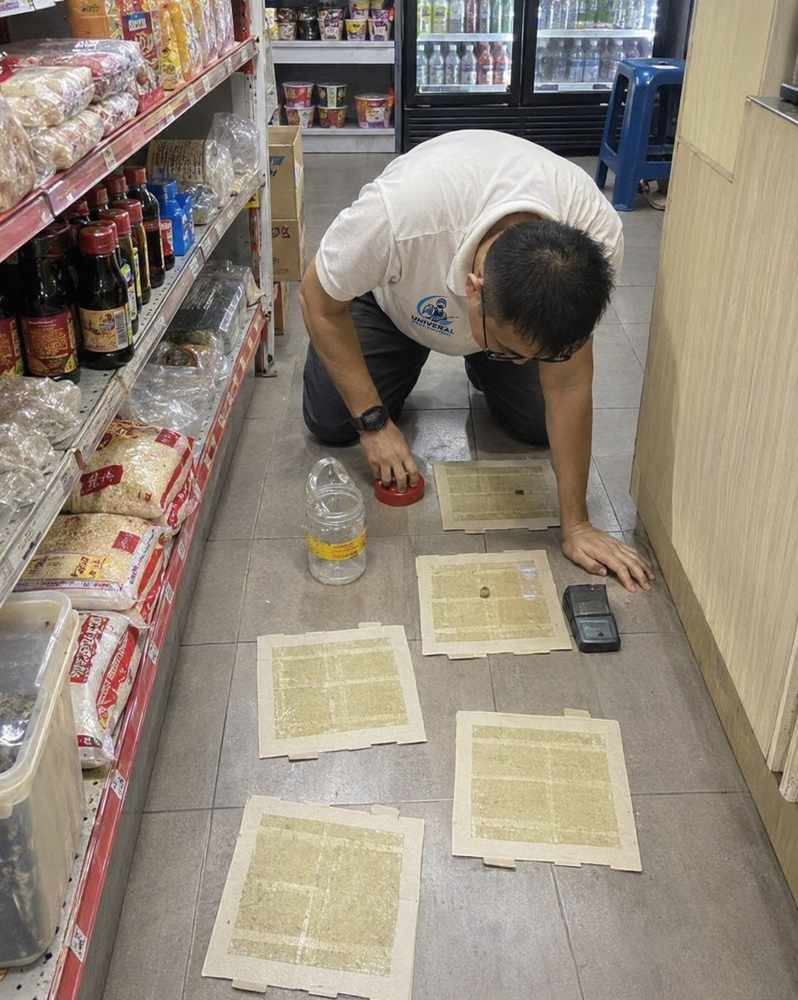
Why Retail Shops Attract Pests
Shoplots, mini markets, convenience stores and mall kiosks share a common challenge: constant movement of goods. Cardboard cartons, delivery pallets and grocery packaging can carry cockroach egg cases, rodent droppings or stored product pests into a shop without anyone noticing at the receiving door.
Back-of-house areas are where most retail pest problems start. Stock rooms, wet kitchens, staff pantries and waste holding areas provide food, moisture and shelter. Rodents gnaw through packaging and wiring, while cockroaches breed in warm voids behind shelves, under counters and inside electrical casings.
Business owners usually contact us when staff see droppings, hear scratching in ceilings, or find damaged stock. By that point, the issue often affects more than one area, and the customer-facing floor may be at risk of visible pest activity during trading hours.
Signs of Pest Activity in a Shop
Staff are usually the first to notice small changes in stock rooms, pantries or display areas.
Droppings in stock rooms
Small dark pellets along skirting, behind shelves or near delivery cartons may point to rodents. Cockroach droppings look like fine black specks and often gather in corners and drawer edges.
Damaged packaging
Gnawed corners on snack packets, torn rice bags or holes in cereal boxes can suggest rodent activity. Cockroaches may leave irregular chew marks and smear marks on paper and cardboard.
Grease marks along walls
Rodents leave dark rub marks from body oils along regular travel paths. These marks often appear near gaps behind chillers, under doors or along pipe runs.
Live insects near lights or drains
Cockroaches seen after closing time near floor drains, under sinks or around warm equipment are a common sign. Stored product pests may appear as small beetles or moths near flour, grains or pet food displays.
Unusual smells in enclosed areas
A musty, oily or ammonia-like smell in a storeroom or under a counter can indicate an established cockroach or rodent population. Dead pests inside wall voids may also produce a noticeable odour.
Noises above ceilings
Scratching, gnawing or scampering sounds after the shop closes can point to rodents moving through ceiling spaces or wall cavities.
- These signs can suggest a pest issue, but they do not confirm the species or the size of the infestation. A proper assessment is needed to identify entry points, harbourage areas and the extent of activity before any treatment is planned.
What Our Retail Pest Control Work Covers
Each shop is assessed before we recommend a plan, so the scope depends on the layout, stock type and pest pressure.
- 1
Back-of-house inspection
We check stock rooms, receiving areas, pantries, waste zones and utility spaces. The aim is to find where pests enter, feed and hide before they reach the shop floor.
- 2
Rodent management in retail units
Depending on what the inspection finds, options may include tamper-resistant bait stations placed in low-traffic areas, trapping in ceiling voids, and advice on sealing gaps around pipe penetrations and door bases.
- 3
Cockroach control for shops
Treatment may target cracks and crevices behind counters, under sinks, inside electrical casings and around drains. We focus on areas where cockroaches rest during the day and avoid open display surfaces.
- 4
Stored product pest checks
For shops selling rice, flour, grains, nuts or pet food, we check for beetles and moths in shelving, packaging and spillage points. Recommendations may include stock rotation and disposal of infested items.
- 5
Discreet customer-facing protection
Where treatment is needed near the shop floor, we schedule work outside trading hours or in low-visibility positions. Monitoring points can be placed behind fixtures, under counters and inside service voids.
Common Retail Pest Risks by Area
Receiving areas and loading bays are the first point of entry for pests arriving with deliveries. Cardboard cartons, wooden pallets and shrink wrap can carry cockroaches, rodents and stored product beetles. Checking goods at the door and breaking down cartons quickly reduces the chance of pests moving deeper into the shop.
Stock rooms with tightly packed shelves create undisturbed harbourage. Rodents nest in gaps behind shelving and inside false ceilings, while cockroaches breed in warm spaces around electrical panels, chillers and water heaters. Regular rotation of stock and keeping cartons off the floor help reduce these risks.
Wet kitchens and staff pantries are high-risk zones because of food debris, moisture and grease. Floor drains, sink cabinets and bin areas need regular cleaning. We often find that pest activity in a pantry spreads to adjacent stock and display areas through wall voids and service ducts.
Retail Premises We Work With
Shoplots and street-level stores
Ground-floor units with rear lanes, open drains and shared walls face higher rodent and cockroach pressure. We look at entry points from the back lane, ceiling voids and adjoining units.
Mini markets and convenience stores
High stock turnover and frequent deliveries mean incoming goods need checking. We focus on receiving areas, drink crates, snack aisles and storage shelving where pests can be brought in with cartons.
Mall tenants and kiosks
Mall units share service corridors, refuse rooms and ceiling spaces with neighbouring tenants. Pest activity in one unit can spread, so we consider the unit's connection to common areas and plan treatments that suit mall operating rules.
Specialty retail with food or pantry areas
Shops with staff pantries, sampling counters or food displays need extra care around food contact surfaces. We keep treatment away from open food and advise on sanitation steps that reduce pest attraction.
Our Retail Shop Pest Control Process
- 1
Enquiry
You send us a WhatsApp message describing the pest issue, the type of shop and the areas affected. Photos of droppings, damaged stock or live pests help us understand the situation before the visit.
- 2
Assessment
We visit the premises and inspect receiving areas, stock rooms, pantries, drains, ceiling voids and customer-facing zones. The assessment identifies the pest species, entry points, food sources and harbourage areas.
- 3
Quotation
We explain what the assessment found and propose a treatment plan. The quotation depends on the size of the unit, the pest involved, the level of activity and the number of visits likely needed.
- 4
Treatment
We carry out the agreed work, scheduling treatments outside trading hours where possible. Treatment focuses on harbourage areas, entry points and monitoring positions while keeping customer-facing spaces discreet.
- 5
Follow-up
We check the results after treatment and advise on housekeeping, stock rotation and proofing steps. Further visits may be arranged depending on how the pest activity responds.
The steps depend on the pest and the property. More on our process
What Affects the Quotation
Retail pest control quotations vary because no two shops have the same layout, stock profile or pest pressure. We base the quotation on what the assessment finds.
- Size and layout of the shop or unit
- Type of pest and level of activity
- Number of stock rooms, pantries and wet areas
- Whether the unit is in a mall, shophouse or standalone building
- Volume of deliveries and cardboard handling
- Access to ceiling voids, drains and service corridors
- Number of treatment visits likely needed
- Whether work must be done after trading hours
Safety in a Retail Environment
We plan retail treatments around the way the shop operates. Before any work begins, we identify food display areas, food preparation surfaces, staff eating zones and high-touch customer areas. Treatment is directed at cracks, voids, drains and other pest harbourage points rather than open shelves or counters.
For shops with staff, customers, pets or food handling areas, we give preparation instructions before the visit. This may include covering open food, clearing specific cupboards or moving stock away from treatment zones. We explain what is needed for the particular job after the assessment, not before.
Where possible, we schedule treatments outside trading hours or during quiet periods. This reduces disruption and keeps customer-facing areas clear. Staff are told which areas to avoid during and after treatment, and we advise when normal cleaning and restocking can resume based on the specific job.
Retail Shop Pest Control FAQs
Can you treat our shop without customers noticing?
We receive deliveries every day. How do we stop pests coming in with stock?
We found droppings in the stock room. Is it rats or mice?
Do you treat cockroaches behind shop counters and under display units?
How long does a retail pest control visit take?
Will we need ongoing pest control for our shop?
Related Pest Control Services
Get a Retail Shop Pest Control Quote on WhatsApp
WhatsApp us to get a free quote. We will get back to you with a quotation based on your shop layout and the pest issue.