Commercial Pest Control Malaysia - Business Pest Management & Monitoring
We provide commercial pest control for businesses that need regular, documented pest management. Our team works with food premises, warehouses, offices, retail spaces, hotels and managed buildings to keep pest activity under control.
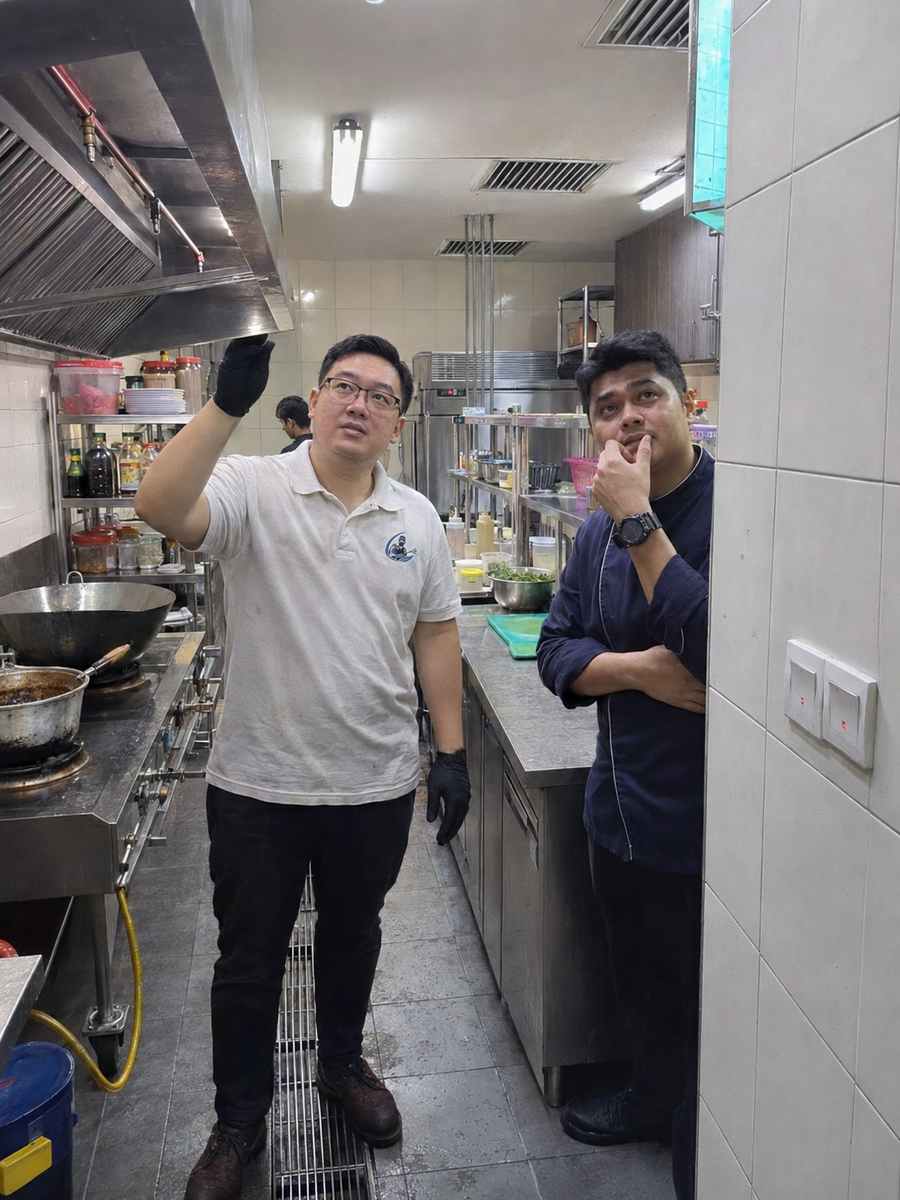
Why Business Pest Control Needs a Scheduled Programme
Pests behave differently in commercial buildings than in homes. Food waste, storage clutter, loading bays, drains and high foot traffic create steady sources of food, water and shelter. Rats, cockroaches, flies and stored product pests can establish themselves quickly, especially in warm and humid conditions.
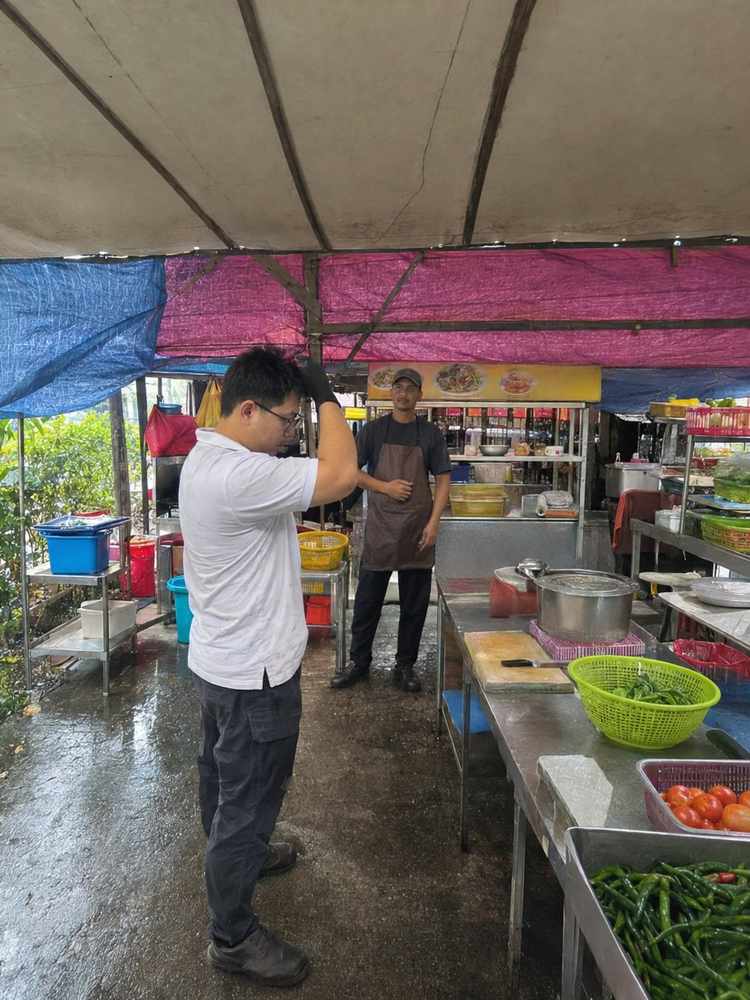
For food businesses, a single sighting can disrupt operations. Restaurants, cafes, central kitchens and food factories face extra pressure because pests contaminate ingredients, food contact surfaces and packaging. Warehouses and logistics sites often deal with rodents nesting in stored goods or cockroaches travelling in cartons and pallets.
Offices, retail outlets, hotels and managed buildings may have less food on site, but they still deal with cockroaches in pantries, ants along skirting boards, flies near bins and rats in ceiling voids or service risers. Business owners and facility managers usually contact us when they need a structured programme rather than a one-off reaction.
Signs Your Business Premises May Need Pest Management
These are common indicators our customers notice before contacting us.
Droppings in storage or food areas
Small dark droppings in drawers, along walls or near food packaging can point to rodents or cockroaches.
Grease marks or rub marks
Dark smudges along pipes, beams or wall edges may suggest rats using the same path repeatedly.
Gnawed packaging or wiring
Chewed cartons, torn food bags or damaged cables can indicate rodent activity in a store room or ceiling.
Live insects near drains and bins
Cockroaches seen around floor traps, dishwashing areas or refuse points often mean a nearby harbourage.
Unusual smells or sounds
A musty odour in a closed room or scratching noises above ceiling panels may suggest a hidden infestation.
Customer or staff sightings
Reports of pests in dining areas, guest rooms or workstations are usually the trigger for a proper assessment.
- These signs can point to a pest problem, but they are not proof of the species or the size of the infestation. An inspection is the only way to confirm what is present and where it is coming from.
What Our Commercial Pest Control Programme Includes
The exact scope depends on the premises, but a typical programme covers these areas.
- 1
Site assessment
We walk through the property to identify pest activity, entry points, harbourage areas and conditions that attract pests. The findings guide the treatment plan.
- 2
Recurring treatment visits
We schedule regular visits based on the risk level of the premises. Each visit includes treatment of agreed zones such as kitchens, drains, bin areas, store rooms and perimeter points.
- 3
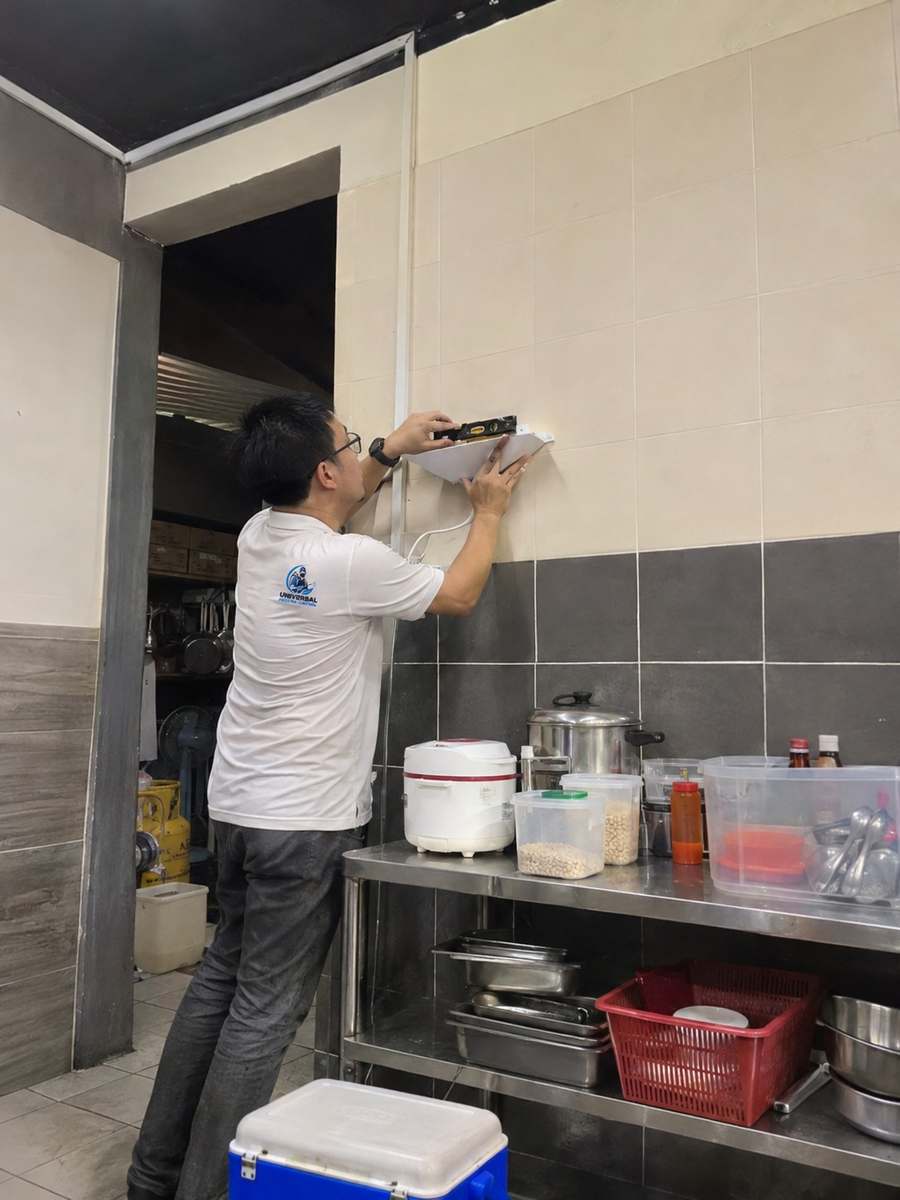
Pest monitoring
Depending on the site, we may place monitoring devices in key areas. These help track activity between visits and show whether pest pressure is rising or falling.
- 4
Service reports and documentation
After each visit we provide a service report noting what was done and what was observed. Businesses preparing for hygiene inspections often keep these records on file.
- 5
Follow-up and adjustments
If activity persists or moves to a new area, we adjust the treatment points and advise on housekeeping or structural fixes that may help.
Scheduling Pest Control Around Your Operating Hours
Many commercial customers prefer treatments before opening or after closing. We can often arrange visits outside operating hours where the site allows it, including early mornings or late evenings for food outlets and retail spaces.
For warehouses and factories with shift work, we coordinate with the facility team to choose a time that minimises disruption to production and staff movement. The scheduling arrangement is confirmed before the programme begins.
Commercial Premises We Work With
Restaurants, cafes and central kitchens
Food preparation areas need careful placement of treatments away from food contact surfaces. We focus on wet kitchens, grease traps, drains, storage shelves and refuse areas.
Food factories and processing facilities
Production lines and ingredient stores attract rodents, cockroaches and stored product pests. Regular visits and monitoring help keep activity from spreading between zones.
Warehouses and logistics sites
Loading bays, pallets and long-term storage create harbourage for rats and insects. We treat perimeter areas, racking bases and entry points where pests are likely to enter.
Offices, retail, hotels and managed buildings
Pantries, washrooms, bin rooms, guest floors and back-of-house areas all need attention. We can often arrange visits outside operating hours where the site allows it.
Our Commercial Pest Control Process
- 1
Enquiry
You send us a WhatsApp message describing your premises and the pest issue. Photos of affected areas help us understand the situation before the visit.
- 2
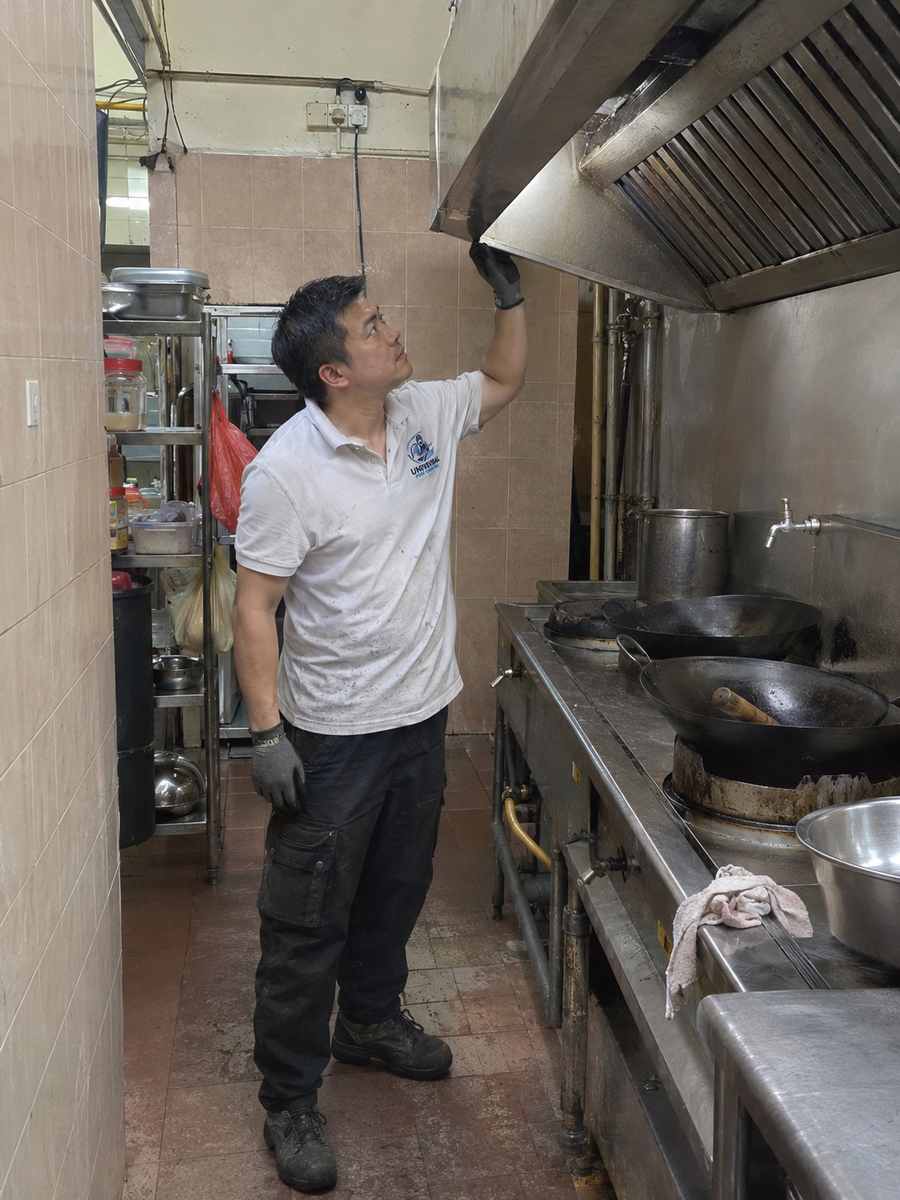
Assessment
We inspect the site to identify the pest, locate activity and assess conditions that may be contributing to the problem.
- 3
Quotation
We provide a quotation based on the size of the premises, the pest involved, the level of activity and the recommended visit frequency.
- 4
Treatment
Our team carries out the agreed treatment during scheduled visits. We focus on harbourage areas, entry points and zones where pest activity has been confirmed.
- 5
Follow-up
We monitor results on subsequent visits, adjust the plan where needed and keep you updated through service reports.
The steps depend on the pest and the property. More on our process
What Affects a Commercial Pest Control Quotation
Every premises is different, so the quotation depends on several practical factors. These are the main ones we consider.
- Size of the premises and number of floors
- Type of business and level of pest risk
- Pest species involved and extent of activity
- Number of treatment zones and entry points
- Recommended frequency of visits
- Access arrangements and operating hours
- Need for monitoring devices and service reports
- Current housekeeping and structural conditions
Safety During Commercial Pest Treatments
We plan treatments around the way your business operates. For food premises, we pay close attention to food storage, preparation surfaces and open ingredients. Before each visit we advise which areas to clear, cover or cordon off so the work can proceed safely.
Staff and occupants should avoid treated zones until we confirm it is appropriate to re-enter. We give preparation instructions specific to each job, including guidance on food items, utensils, pets and any sensitive areas such as nurseries or server rooms.
Where possible, we arrange visits outside operating hours to reduce disruption. This is common for restaurants, retail outlets and offices that cannot pause work during the day. The exact safety steps depend on the site and the pest being treated, so we confirm them before each visit.
Commercial Pest Control FAQs
Further reading
How often should a commercial property be treated?
Do you provide service reports after each visit?
Can treatments be done outside business hours?
Will the treatment disrupt our operations?
What if we only have a pest problem in one area?
How do we get a quotation for our premises?
Commercial Pest Control Area Coverage
Kuala Lumpur
Related Pest Control Services
Get a Commercial Pest Control Quote on WhatsApp
WhatsApp us to get a free quote. Send us a WhatsApp message with details of your premises and the pest issue you are seeing.