
Signs of Termites in Your Home
By Universal Pest Control ·
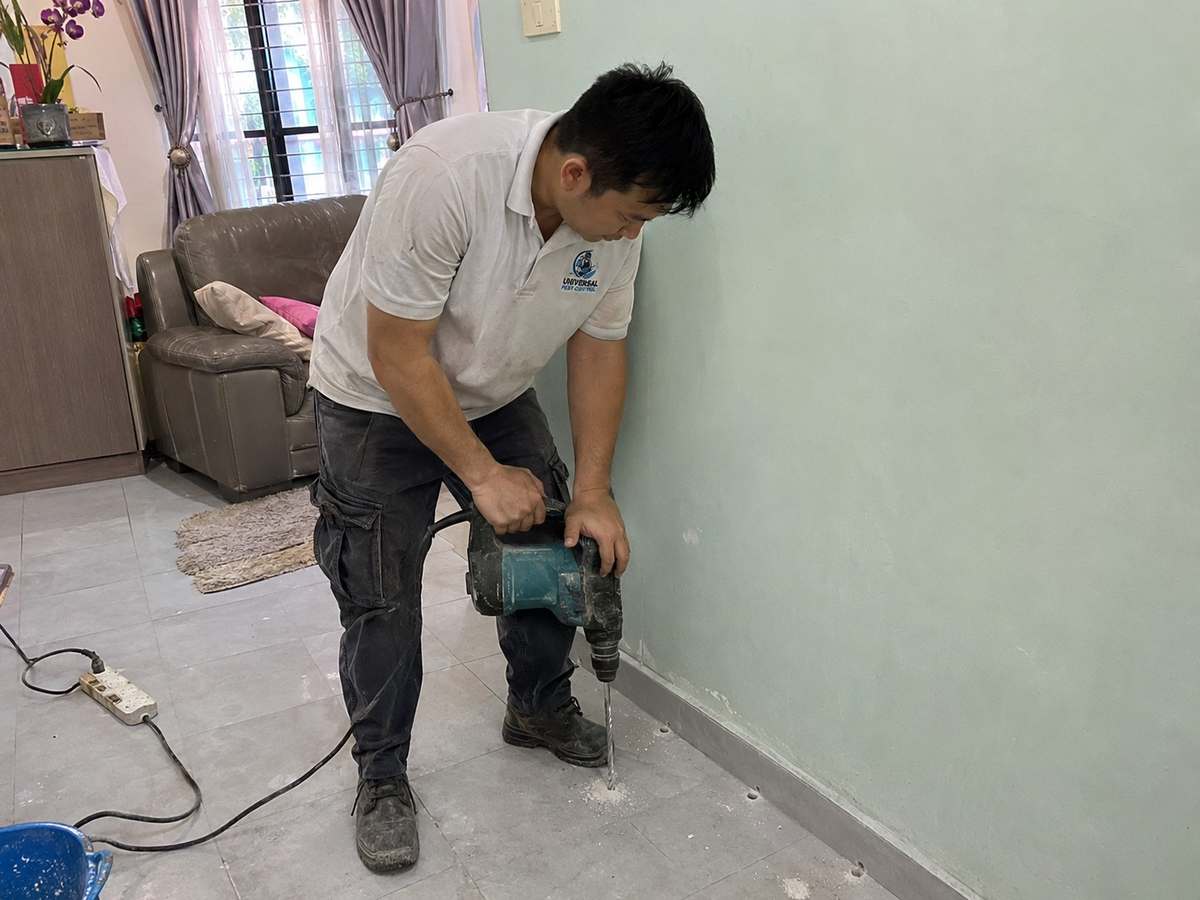
Termites work quietly, often for months, before anyone notices them. By the time you see a sign, a colony may already have travelled from the soil to the timber inside your walls, door frames or roof structure. The most common termites in Malaysian homes are subterranean termites, and they leave a particular set of clues.
Spotting these clues early can make a real difference to the repair work needed later. This article walks through the signs that are worth paying attention to, explains what you might see after rain, and covers what to do if you find something that does not look right.
What Are Mud Tubes and Why Do They Signal Termites?
Mud tubes are one of the clearest signs of subterranean termite activity. These termites need moisture to survive, so they build narrow, earth-coloured tunnels to travel between their colony in the soil and the timber they are feeding on. The tubes protect them from dry air and predators.
You may find mud tubes running up concrete foundation walls, along the edge of a skirting board, inside a cabinet plinth or across the underside of a suspended floor. They are typically about the width of a pencil and can look like dried dirt. Breaking a section open may reveal small, pale worker termites moving inside, though it is better not to disturb them before an inspection.
Abandoned tubes are dry and crumble easily. Active tubes feel slightly damp and are repaired quickly if damaged. Both are worth investigating, because a colony may reuse old pathways or build new ones nearby.
Hollow-Sounding Timber as a Sign of Termite Activity
Subterranean termites eat timber from the inside out, often leaving a thin outer layer of wood or paint intact. When you tap a door frame, skirting board or built-in cabinet and it sounds hollow or papery, that can point to termite damage beneath the surface.
The same applies to wooden flooring. A section that feels slightly spongy underfoot or gives off a dull thud rather than a solid sound is worth a closer look. In some cases, the surface may look perfectly normal, which is why a hollow sound is such a useful early warning.
This type of damage is not always obvious in a quick walk-through. It tends to show up in darker, less-visited areas first, such as the back of a store room, the bottom of a staircase stringer or the timber framing inside a damp kitchen cabinet.
Blistered Paint and Timber That Looks Water-Damaged
Termite activity can make painted timber look as though it has been damaged by moisture. The paint may bubble, blister or flake, and the wood underneath can appear darkened or uneven. What looks like a plumbing leak or rising damp may actually be termites feeding just below the surface.
This is especially common in areas where humidity is already high, such as wet kitchens, bathrooms and ground-floor rooms with poor underfloor ventilation. In a Malaysian terrace house or condominium, the combination of monsoon humidity and concealed timber can create conditions where these signs develop quickly.
If you notice a patch of paint that has lifted without an obvious water source nearby, it is sensible to have the area checked. An inspection can confirm whether the cause is moisture, termites or both.
Sagging Door Frames and Doors That Suddenly Stick
A door that suddenly starts sticking at the top corner or a door frame that has pulled away from the wall by a few millimetres can be a structural sign of termite damage. As termites hollow out the timber inside a frame, the load above can cause the frame to sag or twist.
This is different from the normal swelling and shrinking that happens with humidity changes. Termite-related sagging tends to get worse over a few weeks or months, and it may be accompanied by other signs such as mud tubes at the base of the frame or hollow sounds when you knock on the architrave.
Sliding window frames and timber-framed fixed windows can show similar symptoms. If a window that used to glide smoothly becomes difficult to open, and the track is clean, the surrounding timber frame may have lost its integrity.
Swarmers and Discarded Wings After Rain in Malaysia
After heavy rain, especially during the humid months, mature termite colonies release winged reproductives known as alates or swarmers. Their job is to fly out, pair up and start new colonies. You might see them around lights at night or find their discarded wings on windowsills, floor edges and door tracks the next morning.
The wings are all the same size, translucent and very delicate. Finding a small pile of them is a strong sign that a colony is nearby, quite possibly inside the building itself. The swarmers themselves do not cause structural damage, but their presence means a well-established colony is close enough to be a threat.
It is worth noting that frass, the fine sawdust-like droppings associated with drywood termites, is not typical of the subterranean termites most commonly found in Malaysian properties. If you see what looks like fine wood shavings, it may point to a different pest, such as wood-boring beetles. Photograph what you find and share it when you arrange an inspection.
What to Do If You Notice Signs of Termites
The most important thing is to leave the area undisturbed. Avoid spraying anything into mud tubes, pulling away blistered paint or breaking open timber. Disturbing an active termite colony can cause it to retreat and relocate, making it harder to find and treat later.
Take clear photos of what you have seen, including wider shots that show the location in the room and close-ups of the detail. Note whether the signs appear damp or dry, and whether you have seen any winged insects nearby. These observations are useful when you speak to a pest management team.
Send us a WhatsApp message with the photos and a short description of what you have noticed. Depending on what the inspection finds, options may include targeted treatment of active colonies, barrier methods to protect uninfested areas, and advice on reducing moisture and timber-to-soil contact around the property.
Not sure what you are looking at? Try our pest identification tool or browse the pest control FAQ.
If you have spotted mud tubes, hollow timber or discarded wings, our termite inspection service can help you understand the extent of the problem and what your options are.