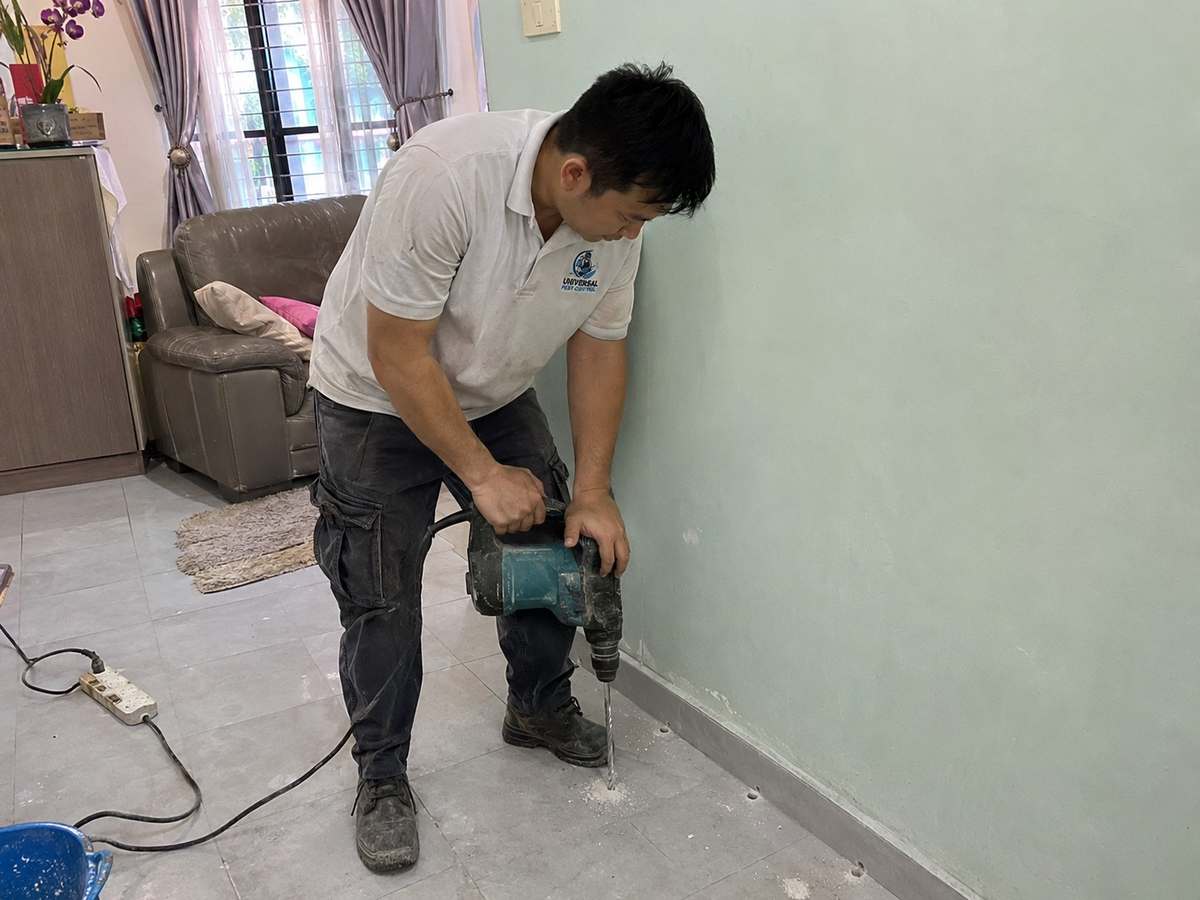
How to Check for Bed Bugs
By Universal Pest Control ·
Checking for bed bugs is the only way to know if you have an infestation. These small, flat insects hide during the day and come out at night, so you are unlikely to see them crawling around in the open. A careful inspection of the places they rest is what reveals their presence.
The signs we look for include live insects, tiny white eggs, shed skins and dark spotting on fabric. You can do a useful first check yourself with a torch and a few minutes of patience. What you find helps you decide on the next step.
How to Identify Bed Bugs by Appearance
Adult bed bugs are about the size and shape of an apple seed, roughly 4 to 5 mm long. Before feeding they are flat and reddish-brown. After a blood meal their body swells and turns a deeper red.
Eggs are tiny, pearly white and about 1 mm long, often laid in clusters. Nymphs are smaller and lighter in colour, almost translucent, until they feed. You may also find shed skins, which are pale brown and look like empty bed bug shells.
Early Signs of a Bed Bug Infestation
Dark spotting on fabric is one of the most common early signs. These spots are bed bug faeces and look like small black or dark brown dots, similar to someone touching the fabric with a felt-tip pen. You will often find them along mattress seams, on box spring covers and behind headboards.
A sweet, musty odour can develop in rooms with a large, established infestation, but this is not reliable for early detection. Bites on your skin may raise suspicion, but they are not proof of bed bugs on their own. Many other insects and skin conditions cause similar reactions.
Inspecting Your Mattress and Bed Frame for Bed Bugs
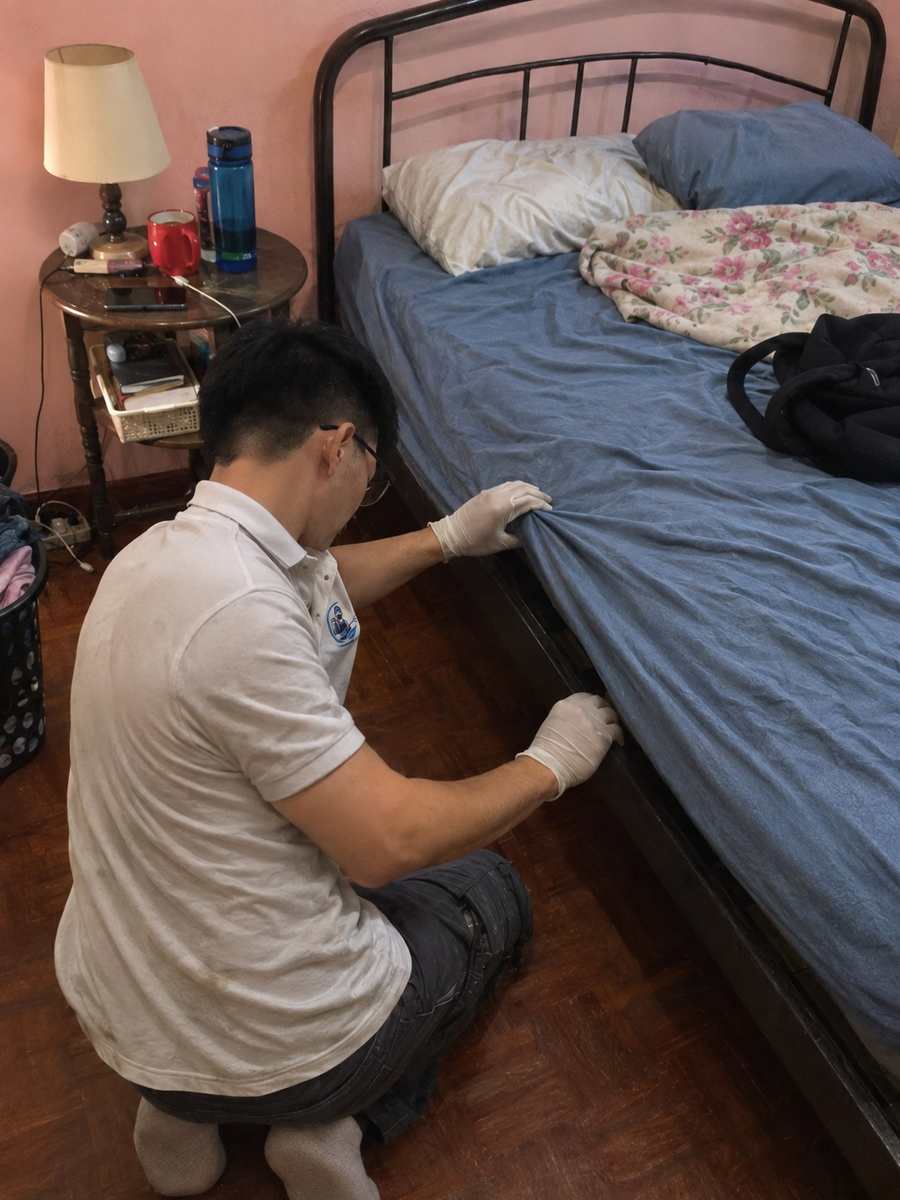
Start with a torch and direct it at an angle across the surface of the mattress. Pull back the bedding and examine the seams, piping and any folds or tufts. Bed bugs tuck themselves into these narrow spaces during the day. Look for live insects, dark spots, eggs and shed skins.
Lift the mattress and check the box spring, paying close attention to the dust cover underneath and the wooden frame it sits on. Move to the headboard, especially any joints, screw holes or fabric-covered sections. Run a thin card along crevices to dislodge anything hiding inside. Check the bed frame joints where legs meet the frame, as these small gaps are common hiding spots.
- Mattress seams, piping and tufts
- Box spring edges and dust cover
- Headboard joints and screw holes
- Bed frame corners and leg joints
Where Bed Bugs Hide in Furniture and Soft Furnishings
Sofas and armchairs are the next place to look, especially if someone sleeps on them regularly. Inspect along seams, under cushions and inside the folds of fabric where the upholstery meets the frame. A torch and a thin card are just as useful here as they are on a mattress.
Do not move furniture from one room to another while you inspect. Carrying an infested item through the house can spread bed bugs into areas that were previously clear. If you need to dismantle anything, do it in the same room and keep items contained until you are certain.
- Sofa seams and under cushions
- Upholstered chair folds and skirtings
- Curtain pleats near the bed
- Keep furniture in the same room during inspection
How to Check Luggage for Bed Bugs After a Trip
Luggage is one of the most common ways bed bugs enter a home. After a trip, place your suitcase on a hard, light-coloured surface, away from bedrooms and upholstered furniture. A bathroom floor or a balcony works well. Inspect the seams, zipper tracks and lining with a torch.
Look for the same signs you would on a mattress: live insects, dark spots, eggs or shed skins. Pay extra attention to the piping around the edges and any pockets inside. If you find anything suspicious, keep the luggage isolated until a positive identification can be made.
- Place luggage on a hard, light-coloured surface
- Inspect seams, zippers and lining
- Check piping and internal pockets
- Keep suspect luggage isolated from living areas
Can You Rely on Bites to Confirm Bed Bugs?
Bed bug bites often appear as small, red, itchy welts on exposed skin, sometimes in a line or cluster. However, people react very differently. Some have no visible reaction at all, while others develop large, irritated patches. The same marks can come from mosquitoes, fleas, mites or even skin conditions.
A doctor cannot diagnose a bed bug infestation from bites alone. The only proof is finding the insects themselves or clear signs of their presence. If you have bites but find no physical evidence after a thorough check, the cause may be something else entirely.
Not sure what you are looking at? Try our pest identification tool or browse the pest control FAQ.
If your inspection turns up live insects, eggs or dark spotting, our bed bug treatment service can assess the extent of the problem and discuss what comes next.